
Conservation
roofing.
Listed buildings, conservation areas and period properties — the right materials, the right methods, done by people who understand what's at stake.
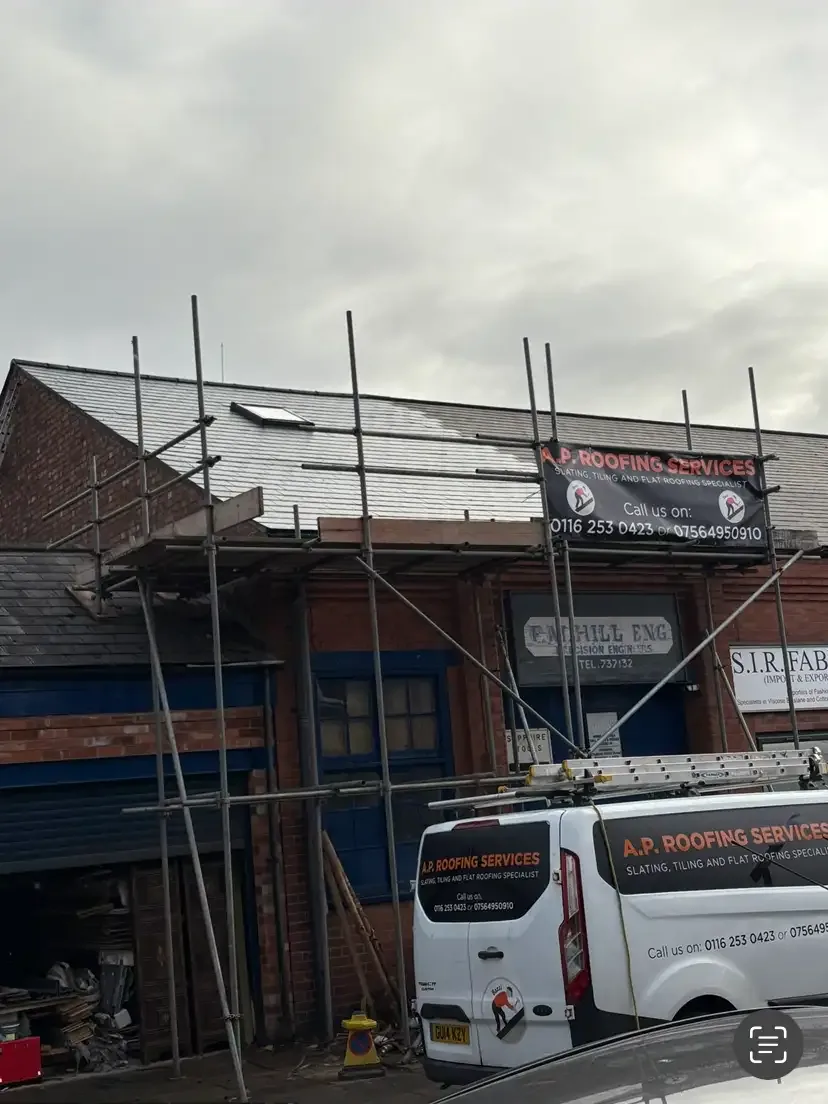
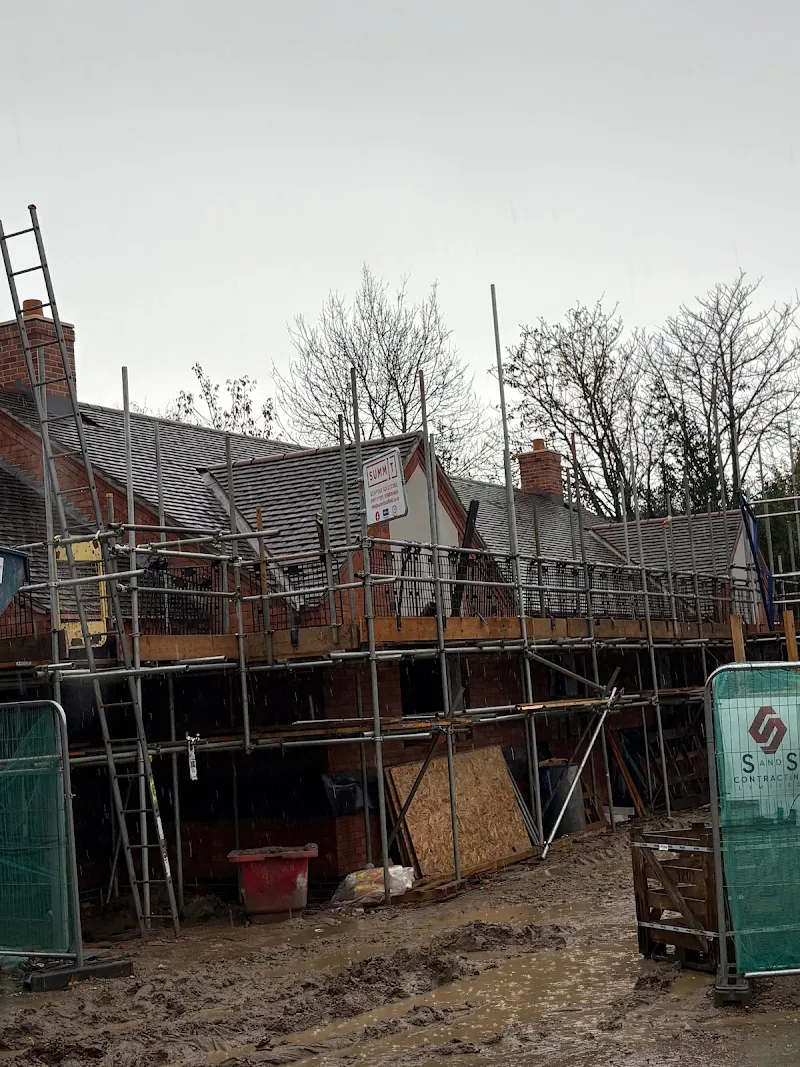
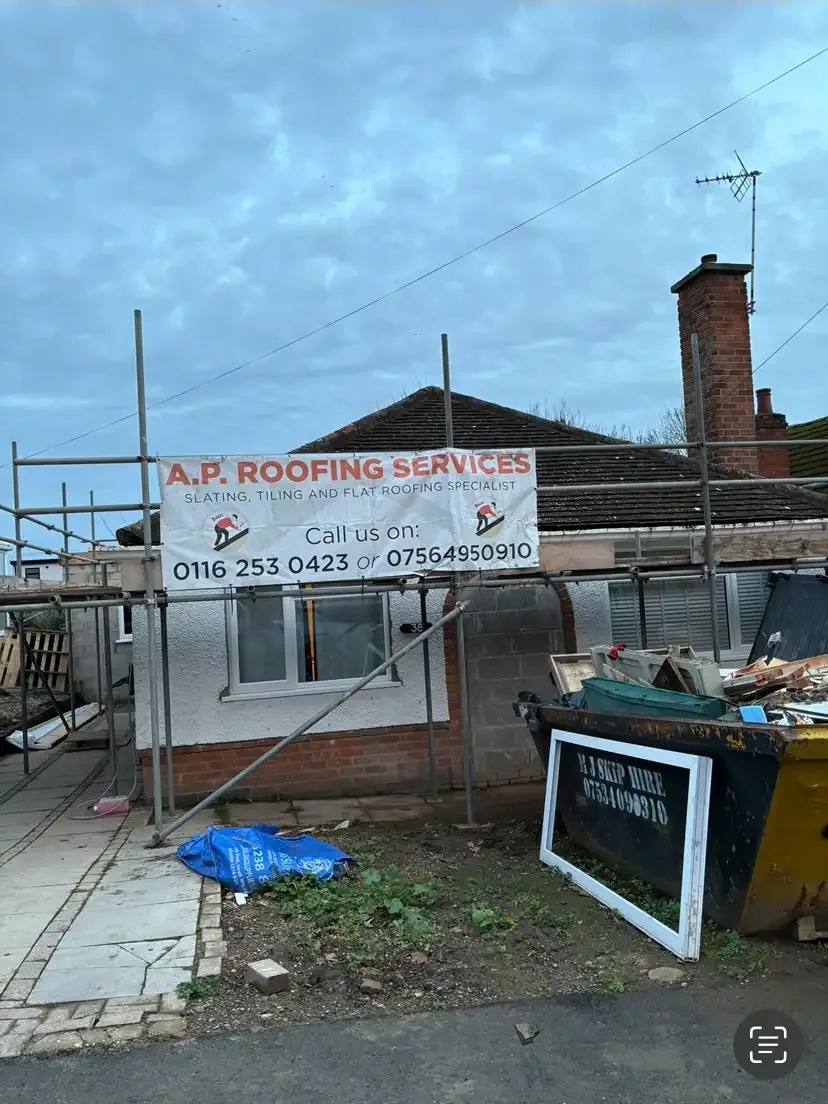
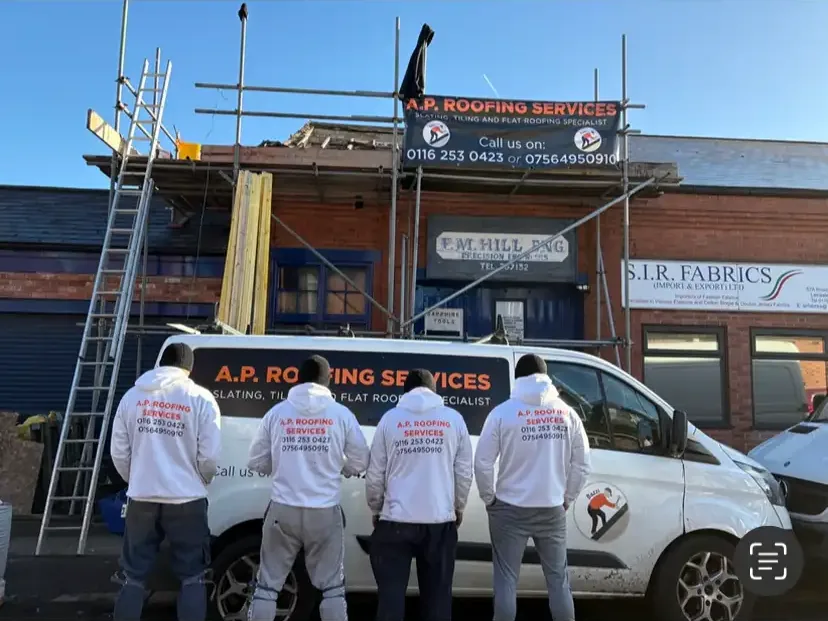
What conservation roofing
actually involves.
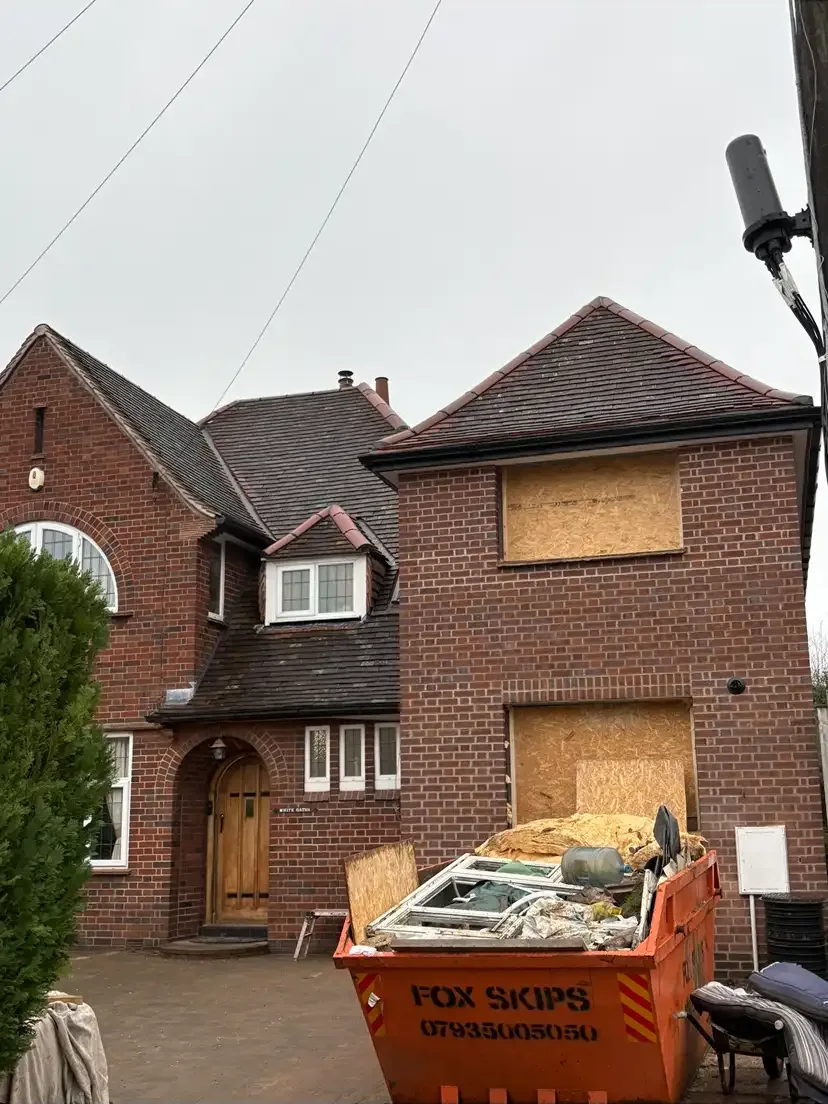
Working on a listed building or in a conservation area isn't just about the tiles or slate — it's about choosing the right material, doing it to the standard planners expect, and leaving a record that shows the work was done properly. We've re-roofed listed properties and conservation terraces across LE1, LE2 and LE3 for over two decades. We know what's required and we know where to source matching materials.
Survey & planning check
We inspect the roof and confirm what planning conditions apply — listed building consent, conservation area restrictions, or permitted development. We'll tell you exactly what you need before any work starts.
Material match & sourcing
Where planning requires like-for-like, we source the correct material — Swithland slate, Welsh slate, clay plain tiles. We'll show you samples and confirm the match before ordering.
Scaffold & protection
Conservation properties often sit in terraces or tight streets. We plan scaffold carefully to protect the property and minimise disruption to neighbours throughout the job.
Careful strip & salvage
Original slates or tiles are assessed on strip. Sound ones are set aside for re-use where permitted — reducing cost and keeping the character of the roof intact.
Timber & structure
Victorian and Edwardian timbers often need some attention. Any rotten rafters, ridge boards or wall plates are replaced and photographed before the roof goes back on.
Re-covering & detailing
New breathable membrane, treated battens, and the specified covering material — laid to the correct gauge, lap and fixing pattern for the material and pitch.
Lead, ridge & finish
All lead flashings dressed in-house, ridge bedded or dry-fixed to match the original detail. Chimney pointing and mortar work completed as part of the job where needed.
Why choose A.P Roofing
for conservation work?
26 years on period properties
Adam has been working on listed buildings and conservation area roofs since his apprenticeship. He knows what Leicester's conservation officers typically ask for and what materials satisfy planning conditions.
Correct materials, every time
We source Swithland slate, Welsh slate, clay plain tiles and reclaimed materials to match what was there originally — not whatever's cheapest or easiest to get hold of.
Photos throughout
We photograph the structure at strip, during the build, and on completion. For listed properties you'll have a full record of what was found, what was replaced, and how the work was carried out.
No payment until done
We don't ask for a deposit and you don't pay until the job's finished and you're satisfied. Simple.
Same crew, every job
Four lads — the team that quotes is the team on the roof. No subcontractors, no strangers. On a sensitive property, that matters.
Honest about what it needs
We'll tell you if you need planning consent before we touch it, and we'll tell you if there's a sensible way to approach the work that saves cost without compromising the outcome.
Reviews.
Replacement of conservation area roof
"Really happy with the work Adam and his team did on our roof. They worked quickly, stuck to the agreed budget, and kept everything straightforward. Would 100% recommend."
Great attention to detail
"A.P Roofing recently completed a large re-roof for me. The attention to detail was incredible and the lads are very polite. I can't recommend Adam and his team enough. My new go-to roofers."
Best in the business
"Had a few quotes and A.P Roofing was the best one. Adam and his team are without a doubt the best in the business — punctual, polite, friendly and hard working. Would only ever use A.P Roofing in future."
 17 verified reviews · 12 months on Checkatrade
Questions about
conservation roofing in Leicester.
Do I need planning permission to re-roof a listed building?
Yes — any work that affects the character or appearance of a listed building requires listed building consent, regardless of whether planning permission would also be needed. Changing the roofing material, for example, would almost certainly require consent even if it's a like-for-like replacement.
We'll tell you upfront what we believe you'll need before we start. If you're unsure, a pre-application enquiry to Leicester City Council's planning department is usually straightforward and free.
I'm in a conservation area but not listed — do I still need permission?
It depends on what you're doing. Like-for-like re-roofing in the same material (e.g. Welsh slate for Welsh slate) generally falls under permitted development and doesn't require a planning application. However, changing the material — such as replacing slate with concrete tiles — in a conservation area will typically require permission.
Leicester has a significant number of conservation areas across LE1, LE2 and LE3. We know the rules well and we'll let you know where you stand before any work starts.
Can you source Swithland slate for a conservation area roof?
Yes — we source genuine Swithland slate for conservation work across Leicestershire. Swithland is no longer quarried commercially, so all available material is reclaimed from demolitions and salvage. We know where to find quality stock in usable sizes.
Where the quantity isn't sufficient, we can advise on complementary alternatives such as Welsh slate or specific reclaimed clay tiles, depending on what the planning condition requires and what the conservation officer will accept.
Will you re-use the original slates where possible?
Yes — where original slates or tiles are sound, we assess them on strip and set them aside for re-use. This is often required or preferred by conservation officers, and it keeps the character of the roof intact. It can also reduce material costs significantly.
We'll tell you at survey roughly what proportion we'd expect to recover, and we'll confirm the actual count on the day of strip.
How do you handle lead work on period properties?
All lead work — valley liners, chimney flashings, abutments and soakers — is dressed in-house by Adam's team. We don't use mastic or sealant as a substitute for properly dressed lead, particularly on conservation work where the standard needs to match the age and quality of the property.
Lead Code 4 and Code 5 are used as appropriate. Where original lead is still serviceable, we'll dress it back where possible rather than replacing unnecessarily.
How much does conservation area roofing cost?
Conservation work typically costs more than a standard re-roof because of material costs (Swithland or reclaimed slate commands a premium), additional care required during strip, and the detail involved in matching original features.
A three-bed terrace in a Leicester conservation area re-roofed in Welsh slate typically starts from around £7,000–£12,000, depending on size and complexity. The only accurate figure is a free, no-obligation quote from Adam after he's seen the property.
Do you cover Hinckley, Loughborough and surrounding areas?
Yes — we work across the whole of Leicestershire. Our base is in Dane Hills, Leicester, so we're well placed for the whole county: Leicester city, Glenfield, Oadby, Syston, Anstey, Wigston, Blaby, Earl Shilton, Hinckley, Loughborough, Coalville and the surrounding villages.
If you're not sure whether we cover your area, call Adam and he'll tell you straight.
Tell us about your roof.
Fill in a quick brief or call Adam direct. Quotes back within one working day — usually within a few hours.